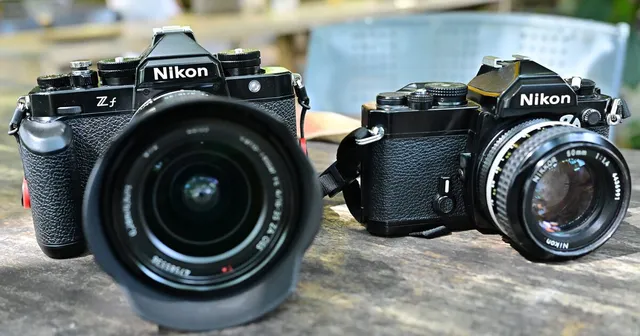
Building your photography kit doesn’t have to be expensive. Buying used gear is an efficient way to save money and access high-quality equipment. In this guide, we’ll explore the advantages of buying second-hand, what to watch out for, and tips for making smart purchases.
Why Buy Used Gear?
Purchasing used photography gear offers several advantages that make it a smart choice for photographers at all levels.
Cost Savings
Used gear typically sells for 30-50% below retail price depending on condition and age. A camera body that costs $1,500 new might sell for $800-1,000 in excellent used condition. This frees up budget for better lenses, editing software, or accessories.
Access to High-Quality Equipment
Professional-grade cameras and lenses are built to last. Metal lens mounts, weather-sealed bodies, and hardened glass elements mean that used gear often retains excellent functionality even after years of use. A three-year-old professional body still outperforms many brand-new entry-level cameras.
Try Before You Commit
Buying used is a great way to experiment with different types of lenses (prime, macro, tilt-shift) without the full financial commitment. If it’s not the right fit, you can resell for close to what you paid.
Where to Buy Used Gear
Choosing the right marketplace makes a big difference in reliability.
- Dedicated camera retailers: MPB and KEH specialize in used photography equipment. They inspect, grade, and warranty every item, making them the safest option.
- Local camera shops: Many independent stores carry used inventory and let you handle gear in person before buying.
- Online marketplaces: eBay offers buyer protection and a massive selection. Stick to sellers with strong ratings and detailed photos. Facebook Marketplace can offer great local deals but lacks buyer protection.
- Photography communities: Sites like Fred Miranda and Reddit’s r/photomarket connect buyers directly with photographers. Prices are often fair, but verify seller reputation.
What to Look for When Buying Used Gear
Camera Body Inspection
- Shutter count: Every mechanical shutter has a rated lifespan. Entry-level cameras are typically rated for 100,000-150,000 actuations, while professional bodies handle 300,000-500,000. Ask the seller for the shutter count, or check it yourself using tools like ShutterCount or online EXIF analyzers.
- Sensor condition: Shoot a plain white and plain black image to check for stuck or dead pixels. A few hot pixels are normal on older sensors, but clusters indicate problems.
- Physical condition: Check for scratches, dents, or damage. Make sure all buttons, dials, and ports function properly. Minor cosmetic wear is expected and doesn’t affect performance.
- Battery health: Older batteries lose capacity. Budget for a replacement if the original is several years old.
If you’re unsure which camera model to target, our beginner camera guide can help narrow down the options.
Lens Inspection
Lenses often outlast camera bodies, but they have their own issues to watch for:
- Fungus: Hold the lens up to a light and look through both ends. Fungus appears as web-like threads inside the glass elements. Even small spots can spread and degrade image quality. Avoid lenses with any visible fungus.
- Haze and coating damage: A faint cloudiness across the glass indicates internal haze, often from old lubricants evaporating onto the elements. Heavy haze reduces contrast and sharpness.
- Element separation: In older lenses, the cement between glass elements can break down, causing visible bubbles or cloudy patches between layers. This is irreparable.
- Autofocus and zoom rings: Test autofocus speed and accuracy. Zoom and focus rings should move smoothly without grinding or catching.
- Image stabilization: If the lens has stabilization, test it. Listen for unusual rattling or clicking sounds when activated.
- Compatibility: Make sure the lens mount matches your camera system. If you’re on an APS-C body, keep in mind that full-frame lenses will work but the crop factor changes the effective focal length.
Seller Reputation
- Buy from reputable sellers with a track record. Check reviews, ratings, and return policies.
- Ask about the item’s history: how it was used (studio vs. field) and why it’s being sold.
- For online purchases, ask the seller to share test images so you can evaluate sharpness and autofocus accuracy.
Test Before Buying
Whenever possible, test the gear in person. Bring a memory card to take sample photos and assess the results on your computer. For lenses, test sharpness at various apertures and check for consistent autofocus.
Tips for Smart Used Gear Purchases
- Research prices: Compare costs across multiple platforms to ensure you’re getting a fair deal.
- Don’t chase the newest model: A camera from two or three generations ago often delivers 90% of the performance at a fraction of the cost. Sensor technology has matured significantly, and differences between recent generations are often marginal.
- Prioritize lenses over bodies: Camera bodies depreciate faster than lenses. A used professional lens holds its value and image quality for years, while bodies get replaced every few generations. If your budget is limited, spend more on glass and less on the body.
- Consider warranty options: Retailers like MPB and KEH offer warranties on used gear. Private sales rarely include any protection, so factor that into your decision.
Conclusion
Buying used gear is an efficient and cost-effective way to build or expand your photography kit. With careful inspection and research, you can find high-quality equipment that fits your budget and needs. Start exploring the second-hand market and discover how it can help you grow as a photographer while saving money.