Two photographers shoot the same eight-hour wedding. One delivers 240 images, the other 780. Both couples are thrilled with what they got.
That is not a contradiction, and it is the part most answers to this question skip. A photo count on its own tells you almost nothing about whether the work was good or whether the couple got what they paid for. What matters is which kind of gallery the photographer set out to deliver, and whether the couple knew which one was coming.
So the benchmarks below are worth having, but read them as a description of what the market currently does, not as a target you are failing to hit.
Two Ways to Deliver a Wedding Gallery
Before any number means much, it helps to know that two legitimate delivery models sit behind it.
Full-coverage delivery documents the day continuously and hands over the whole narrative: every stage of the timeline, most of the guests, and the long tail of candid moments. The couple gets breadth, and the gallery doubles as a record of who was there and what happened.
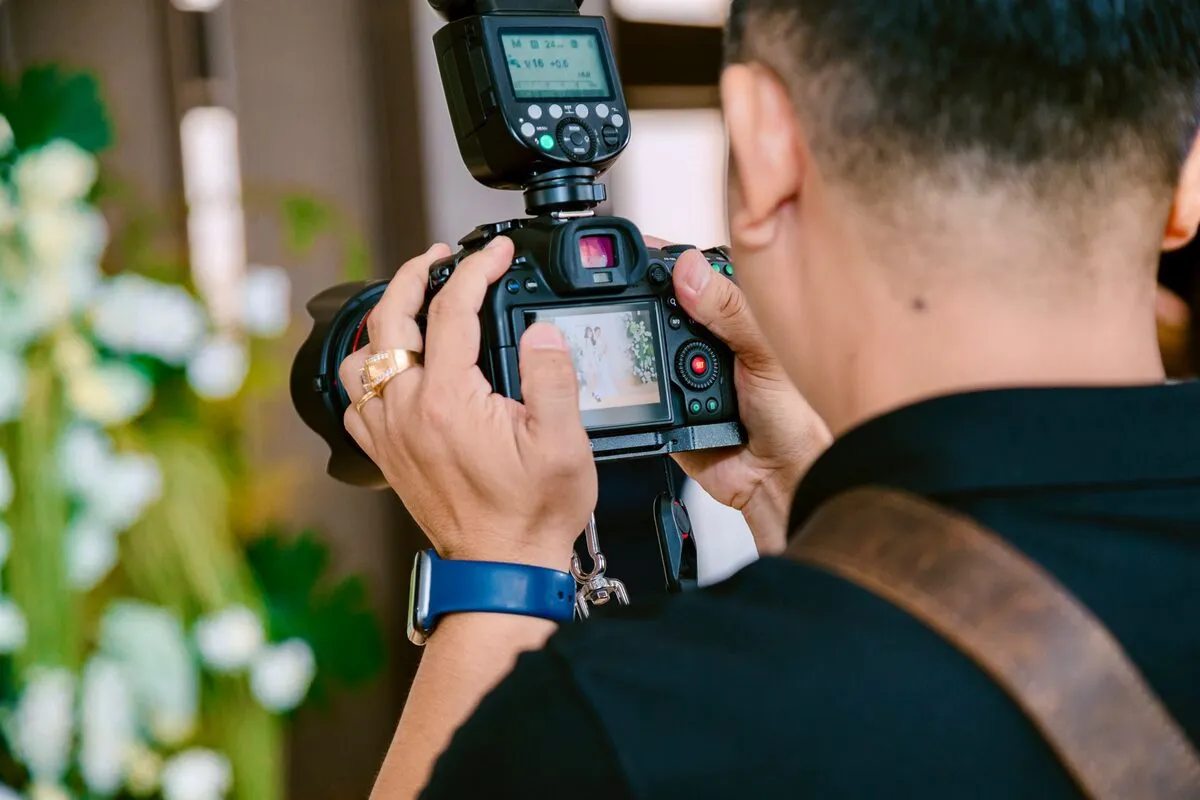
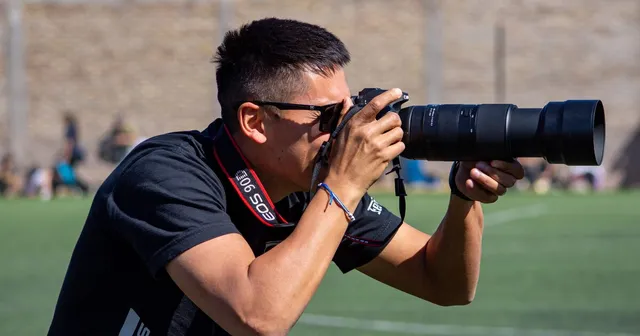
Photo by 🇻🇳🇻🇳Nguyễn Tiến Thịnh 🇻🇳🇻🇳 on Pexels
Curated delivery treats the edit itself as the product. The photographer shoots just as much but delivers only the frames that carry the story, frequently a third of what a full-coverage photographer would send. The couple gets a gallery with nothing weak in it. Fine-art and editorial photographers typically land between 200 and 400 images for a full day on this model.
Neither is more professional than the other, and neither is the budget version of the other. They are different products that justify different prices. The real mistake is drifting between the two without deciding, which is how a photographer ends up sending 600 middling images when they meant to deliver 250 strong ones.
How Many Photos a Wedding Photographer Delivers, by Coverage Length
So how many photos should a wedding photographer deliver? Most deliver between 400 and 800 fully edited photos for a full day of coverage, roughly 50 to 100 finished images per hour shot. Photographers working a curated model deliver considerably fewer for the same day, typically 150 to 300.
| Coverage | Curated delivery | Full-coverage delivery |
|---|---|---|
| 2 hours (elopement / small ceremony) | 50–100 | 100–200 |
| 4 hours | 100–150 | 200–400 |
| 6 hours | 125–200 | 300–600 |
| 8 hours (full day) | 150–300 | 400–800 |
| 10+ hours (full day + second shooter) | 200–350 | 500–800 |
These are edited, final images, not raw frames. A photographer might capture 2,000 to 4,000 shots across a full wedding day and cull that down to the numbers above.
Why Wedding Gallery Size Plateaus on Longer Days
Both columns flatten at the top rather than climbing with the clock, and that is deliberate. It is also the detail that catches photographers out when they price longer packages.
Past roughly eight hours, additional coverage produces more images of the same events rather than more distinct moments. The tenth hour of a reception yields more dancing frames, but they compete with the dancing frames already in the gallery instead of adding anything new. One luxury photographer’s published packages show the effect plainly: 14 hours of coverage delivers 150 edited images, and their 24-hour package delivers 300. That is around 11 images per hour, and it reads as confidence rather than as a shortfall.
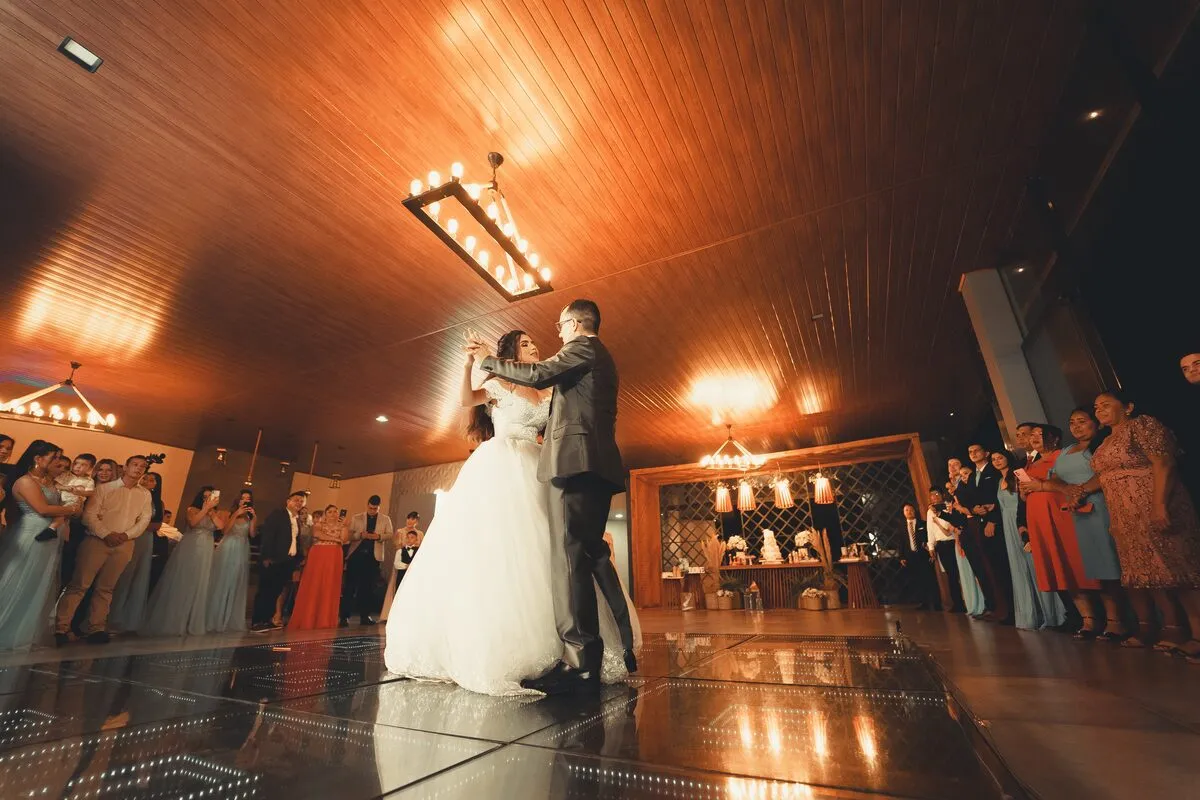
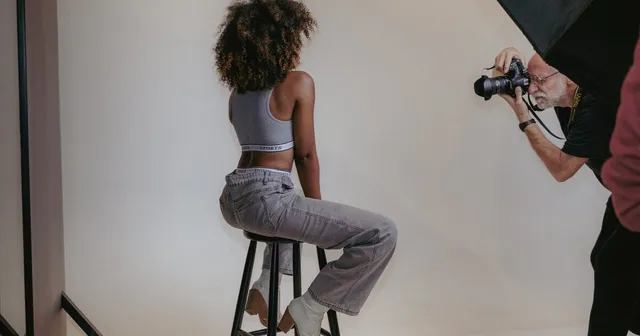
Photo by Juliano Astc on Pexels
The practical consequence is that a wedding gallery has no reason to run into four figures. Galleries of 1,200 to 2,000 images were routine a decade ago and are steadily going out of fashion, as couples increasingly ask for something they can realistically get through.
What Determines How Many Wedding Photos You Deliver
Two weddings with identical coverage hours can produce very different galleries. These are the variables that move the count most, in order of impact:
- Your shooting and culling style. This swings the final count harder than anything else, coverage hours included. A photographer who shoots deliberately and cuts hard can deliver a third of what a continuous documentarian delivers from the same day, and both galleries can be excellent.
- Events included. Getting-ready coverage, a first look, a ceremony, portraits, and a reception each add a distinct block of images. A wedding with all of these yields far more than a ceremony-and-portraits package of the same length.
- Second shooter. A second photographer captures angles you cannot be in two places for, such as both partners getting ready simultaneously or guest reactions during the vows. This reliably increases the count, though less than photographers expect, since much of what comes back overlaps with the primary coverage.
- Guest count and energy. A 200-guest reception with dancing produces more candid keepers than an intimate dinner for 20.
Why Fewer Wedding Photos Serve the Couple Better
Padding a gallery looks generous and works against you twice over.
The first cost is to your own work. Near-duplicates, slightly missed focus, and awkward in-between frames drag down the overall impression, and they bury the images that actually tell the story. A consistent, well-edited gallery is what earns referrals and lets you raise your rates, the same business thinking that applies across profitable photography niches.
The second cost lands on the couple, and it is the one photographers underestimate. A wedding gallery is not something couples only browse. They have work to do in it: choosing images for the album, picking prints, deciding what goes to family, pulling a few for thank-you cards. A gallery carrying six near-identical frames of the same moment turns each of those jobs into a comparison exercise they are not equipped to make and not motivated to finish. Decision fatigue is real, and it is why album orders stall and why couples come back asking “which ones do you think?”, which puts the work back on you anyway, later and with a frustrated client attached.
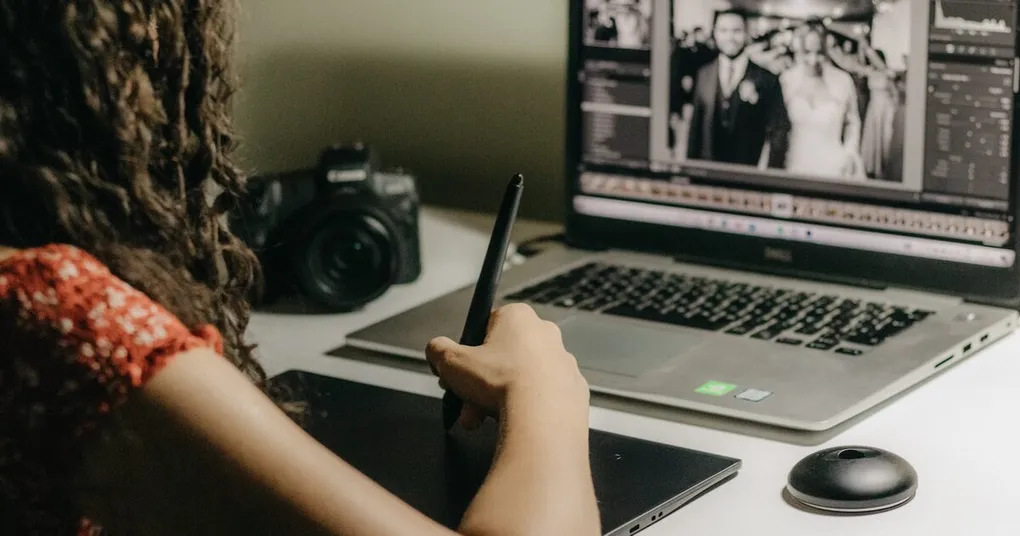
Photo by SHVETS production on Pexels
Cull hard. Keep the frame that captured the moment best and cut the three almost-identical ones around it. Culling is not something you do instead of giving the couple choice; it is the work you are being paid for, and every near-duplicate left in is a decision handed to someone less equipped to make it. The same instinct applies to your photography portfolio, where only your strongest frames belong.
Set the Photo Count Before the Wedding Day
The count should never be a surprise, because a number only disappoints when it arrives unexplained. Deciding how many photos to deliver for a wedding is your call; making sure the couple already knows the answer is the part that protects you.
Put a clear range in your contract and repeat it during the pre-wedding consultation. “You can expect approximately 500 to 700 edited images” and “you can expect approximately 200 to 250 carefully selected images, each individually finished” are both good promises. The second is not a lesser one, and stated with confidence it never produces a complaint. An unstated count reliably does.
Give a range rather than a fixed figure. Weddings are unpredictable, and a hard promise of “exactly 600 photos” boxes you in with nothing to gain. Pairing the range with a delivery window sets the full expectation in one sentence and reassures couples during the wait.
Delivering the Final Wedding Gallery
Once you have culled and edited, how you hand the gallery over shapes the couple’s final impression of working with you. A clean, branded online gallery where images are organized by moment and ready to download looks far more professional than a folder of files, and good organization does some of the curation work for the couple by grouping the day into parts they can navigate. For a full walkthrough of the options, see the guide on the best way to share photos with clients.
The wedding-specific side of that, including how couples pass a gallery on to family and guests, is covered in the breakdown of wedding photo sharing.
There is no universal magic number, and how many photos belong in a wedding gallery depends far more on the model you have chosen than on the hours you shot. Decide which gallery you are delivering, anchor on the range that matches it, curate hard, and tell the couple what to expect before the day begins. Get those right and the exact count takes care of itself.